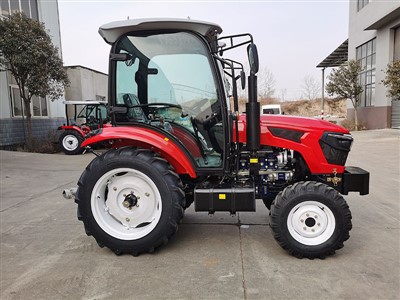


Operating a tiller safely is crucial for both your well - being and the longevity of the equipment. As a tiller supplier, I've seen firsthand the importance of proper safety measures. In this blog, I'll share some key tips on how to operate a tiller safely.
Pre - operation Checks
Before you even start the tiller, there are several checks you need to do. First off, take a good look at the tiller itself. Check for any visible damage to the blades, handles, or the engine. If you notice any cracks, loose parts, or signs of wear and tear, don't use the tiller until it's fixed. You don't want a broken blade flying off while you're using it!
Next, check the fuel and oil levels. Just like a car, a tiller needs the right amount of fuel and oil to run smoothly. Low fuel can stop the tiller in the middle of your work, and low oil can damage the engine. Make sure to use the recommended type of fuel and oil for your specific tiller model.
Also, inspect the area where you'll be using the tiller. Remove any rocks, sticks, or other debris. These objects can get caught in the tiller blades, causing damage to the machine or even sending the debris flying at you. It's better to spend a few extra minutes cleaning the area than to risk an accident.
Starting the Tiller
Starting a tiller might seem simple, but there are some important steps to follow. First, make sure the tiller is on a flat and stable surface. You don't want it tipping over while you're starting it. Then, set the throttle to the appropriate position according to the manufacturer's instructions.
Most tillers have a primer bulb. Press it a few times to get the fuel flowing into the carburetor. After that, pull the starter cord slowly until you feel some resistance, and then give it a quick, strong pull. If the tiller doesn't start on the first try, don't keep yanking on the cord. Wait a few seconds and try again.
Once the tiller starts, let it warm up for a few minutes. This allows the engine to reach its optimal operating temperature and ensures smooth operation.
Operating the Tiller
When you're ready to start tilling, hold the tiller firmly with both hands. Keep a good grip on the handles to maintain control. Start walking slowly in a straight line, guiding the tiller forward. Don't try to rush or make sudden turns.
Pay attention to the depth of the tilling. Most tillers have an adjustable depth control. Set it to the appropriate depth for your soil and the task at hand. If you set the depth too deep, the tiller might struggle to move, and it could put extra strain on the engine. On the other hand, if the depth is too shallow, you won't get the desired results.
As you're tilling, be aware of your surroundings. Don't get too close to other people, animals, or objects. The tiller blades are sharp and can cause serious injury if they come into contact with something or someone.


If you need to turn the tiller, do it slowly and carefully. Make sure the blades are clear of any obstacles before you start the turn. Avoid making sharp turns, as this can cause the tiller to lose balance.
Safety Gear
Wearing the right safety gear is a must when operating a tiller. First of all, wear sturdy work boots. They protect your feet from any flying debris or accidental contact with the tiller blades.
Safety glasses are also essential. They shield your eyes from dust, dirt, and small particles that can be kicked up by the tiller. A pair of earplugs is a good idea too, as tillers can be quite noisy, and prolonged exposure to loud noise can damage your hearing.
Gloves are another important piece of safety gear. They give you a better grip on the tiller handles and protect your hands from blisters and cuts.
Maintenance
Regular maintenance is key to keeping your tiller in good working condition and ensuring safe operation. After each use, clean the tiller thoroughly. Remove any dirt, grass, or debris from the blades and the body of the machine. This helps prevent corrosion and keeps the tiller running smoothly.
Check the blade sharpness regularly. Dull blades can make the tiller work harder and may not till the soil effectively. If the blades are dull, you can sharpen them yourself or take the tiller to a professional for blade sharpening.
Also, change the oil and air filter at the recommended intervals. This helps keep the engine running clean and efficient.
Additional Attachments
If you're looking to expand the functionality of your tiller, there are some great attachments available. For example, the Tractor Grader Blade can be used for leveling and grading soil. It's a useful tool for creating a smooth surface in your garden or yard.
The Farm Ridger is another handy attachment. It's perfect for creating ridges in the soil, which is great for planting rows of vegetables or flowers.
And if you need to clean up after tilling, the Tractor Sweeper can help you quickly and easily sweep up any debris left behind.
Conclusion
Operating a tiller safely is all about being prepared, following the right procedures, and using the appropriate safety gear. By taking these steps, you can ensure a smooth and accident - free tilling experience.
If you're in the market for a new tiller or any of the attachments mentioned above, don't hesitate to reach out. We're here to help you find the right equipment for your needs. Whether you're a professional farmer or a weekend gardener, we've got the tillers and attachments to get the job done. Contact us to start the procurement and let's discuss how we can make your tilling tasks easier and more efficient.
References
- Manufacturer's manuals for tillers and attachments
- Agricultural safety guidelines from relevant organizations