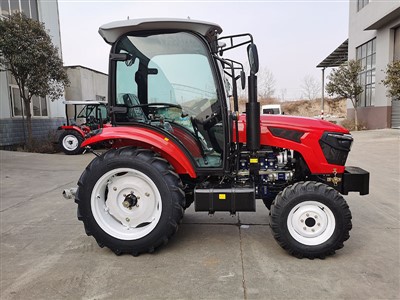


The price of a tractor grader blade is a crucial consideration for farmers, contractors, and other professionals who rely on these tools for various earth - moving and grading tasks. As a tractor grader blade supplier, I have witnessed firsthand how the quality of these blades can significantly impact their price. In this blog, I will explore the relationship between the quality of tractor grader blades and their cost, providing insights that can help you make an informed purchasing decision.
Understanding the Basics of Tractor Grader Blades
Before delving into the price - quality relationship, it's essential to understand what tractor grader blades are and what they do. Tractor grader blades are attachments that can be mounted on tractors to level, grade, and smooth surfaces. They are commonly used in construction, agriculture, and road maintenance projects. The blades come in different sizes, shapes, and materials, each designed for specific applications. For more information on tractor grader blades, you can visit Tractor Grader Blade.
Factors Affecting the Quality of Tractor Grader Blades
Several factors contribute to the quality of a tractor grader blade. These factors not only determine the blade's performance but also its price.
Material Quality
The material used to manufacture the blade is perhaps the most significant factor affecting its quality. High - quality blades are typically made from premium steel alloys that offer excellent strength, durability, and resistance to wear and tear. For example, some blades are made from heat - treated steel, which increases their hardness and toughness. This type of steel can withstand the rigors of heavy - duty use, such as grading rocky or abrasive terrain, without losing its edge quickly.
On the other hand, lower - quality blades may be made from cheaper steel or other materials that are more prone to bending, cracking, or dulling. These blades may be suitable for light - duty or occasional use, but they will not last as long as their high - quality counterparts. As a result, the price of a blade made from premium materials will be higher than that of a blade made from inferior materials.
Manufacturing Process
The manufacturing process also plays a crucial role in determining the quality of a tractor grader blade. High - quality blades are often precision - engineered using advanced manufacturing techniques. This includes processes such as CNC machining, which ensures accurate dimensions and a smooth finish. Precision - made blades fit better on tractors, operate more efficiently, and are less likely to cause problems during use.
In contrast, lower - quality blades may be produced using less precise manufacturing methods, resulting in blades that are not as well - made. These blades may have rough edges, inconsistent dimensions, or other defects that can affect their performance and longevity. The cost of producing high - quality blades through advanced manufacturing processes is higher, which is reflected in their price.
Design Features
The design of a tractor grader blade can also impact its quality and price. High - quality blades often feature innovative design elements that enhance their functionality. For example, some blades have adjustable angles, which allow users to customize the grading angle according to the specific task at hand. This flexibility can improve the efficiency and effectiveness of the grading process.
Other design features may include reinforced edges, which provide additional strength and resistance to wear, or special coatings that reduce friction and prevent corrosion. These design enhancements require additional research, development, and materials, all of which contribute to the higher price of the blade.
How Quality Translates into Price
Now that we understand the factors that affect the quality of tractor grader blades, let's look at how these factors translate into price.
Initial Purchase Price
High - quality tractor grader blades generally have a higher initial purchase price than lower - quality blades. This is because the cost of premium materials, advanced manufacturing processes, and innovative design features is factored into the price. However, it's important to consider the long - term value of a high - quality blade.
For example, a high - quality blade made from heat - treated steel may cost 50% more than a lower - quality blade made from regular steel. But the high - quality blade may last two or three times longer, reducing the need for frequent replacements. In the long run, the total cost of ownership of the high - quality blade may be lower, even though the initial investment is higher.
Maintenance and Replacement Costs
Another aspect to consider is the maintenance and replacement costs associated with tractor grader blades. High - quality blades require less maintenance because they are more durable and resistant to wear. They are less likely to break or become damaged during use, which means fewer repairs and less downtime.
In contrast, lower - quality blades may need to be sharpened more frequently, and they are more likely to require replacement parts or complete replacement due to damage. These additional maintenance and replacement costs can add up over time, making the lower - quality blade more expensive in the long run.
Case Studies: Comparing High - and Low - Quality Blades
To illustrate the price - quality relationship more clearly, let's look at a couple of case studies.
Case Study 1: Construction Company
A construction company is working on a large - scale road - building project. They have the option of purchasing a high - quality tractor grader blade for $2,000 or a lower - quality blade for $1,200. The high - quality blade is made from premium steel and has a precision - engineered design, while the lower - quality blade is made from regular steel and has a more basic design.
Over the course of the project, the high - quality blade lasts for the entire project without any major issues. The lower - quality blade, however, needs to be sharpened twice and eventually breaks after six months of use, requiring a replacement. The total cost of using the high - quality blade is $2,000, while the total cost of using the lower - quality blade is $1,200 (initial purchase) + $200 (sharpening) + $1,200 (replacement) = $2,600.
Case Study 2: Small - Scale Farmer
A small - scale farmer needs a tractor grader blade for occasional use on their farm. They are considering a high - quality blade that costs $800 and a lower - quality blade that costs $500. The high - quality blade is made from a more durable material and has adjustable angles, while the lower - quality blade has a fixed angle and is made from a less durable material.


Since the farmer only uses the blade a few times a year, the lower - quality blade may be sufficient for their needs. In this case, the lower - initial cost of the lower - quality blade may be more appealing. However, if the farmer decides to expand their operations in the future and use the blade more frequently, the high - quality blade may prove to be a better investment in the long run.
Making the Right Decision
When choosing a tractor grader blade, it's important to consider your specific needs, budget, and the type of work you will be doing. If you are engaged in heavy - duty, frequent use, such as large - scale construction or commercial farming, investing in a high - quality blade is likely to be the best option. The higher initial cost will be offset by the blade's durability, efficiency, and lower long - term costs.
On the other hand, if you have light - duty or occasional use, such as a small - scale farm or a DIY project, a lower - quality blade may be a more cost - effective choice. However, it's still important to ensure that the blade meets your basic requirements in terms of performance and safety.
In addition to tractor grader blades, we also offer other high - quality agricultural attachments such as Fertilizer Spreader and Farm Ridger. These attachments are designed to improve the efficiency and productivity of your farming or construction operations.
If you are interested in purchasing tractor grader blades or any of our other products, I encourage you to contact us for more information and to discuss your specific needs. We can provide you with detailed product specifications, pricing, and any other information you may need to make an informed decision. Our team of experts is always ready to assist you in finding the right solution for your business.
Conclusion
In conclusion, the price of a tractor grader blade varies significantly with its quality. High - quality blades are made from premium materials, use advanced manufacturing processes, and feature innovative design elements, which result in a higher price. However, these blades offer better performance, durability, and lower long - term costs. Lower - quality blades are more affordable initially but may require more maintenance and replacement over time.
By understanding the factors that affect the quality and price of tractor grader blades, you can make a more informed purchasing decision that meets your specific needs and budget. Whether you are a large - scale contractor or a small - scale farmer, choosing the right tractor grader blade is essential for the success of your projects.
References
- "Agricultural Equipment Handbook" - A comprehensive guide on various types of agricultural equipment, including tractor grader blades.
- Industry reports on the manufacturing and sales of tractor grader blades.