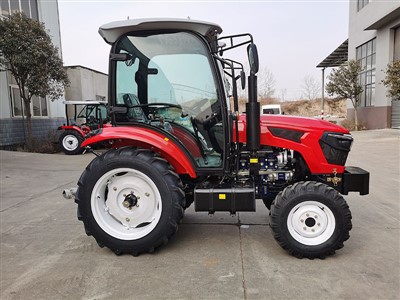


As a tiller supplier, I've witnessed firsthand the impact that efficient tilling can have on agricultural operations. A well - functioning tiller not only saves time and labor but also significantly improves the quality of soil preparation, leading to better crop yields. In this blog, I'll share some valuable insights on how to enhance the efficiency of a tiller.
1. Regular Maintenance
One of the most fundamental steps in improving tiller efficiency is regular maintenance. Just like any other machinery, a tiller requires proper care to operate at its best.
- Cleaning: After each use, it's essential to clean the tiller thoroughly. Remove any dirt, debris, or plant matter that has accumulated on the blades, tines, and other parts. This prevents clogging, which can slow down the tiller and reduce its effectiveness. For example, if dirt builds up between the tines, it can impede their rotation and make it harder for the tiller to break through the soil.
- Lubrication: All moving parts of the tiller, such as the bearings, gears, and chains, need to be lubricated regularly. This reduces friction, minimizes wear and tear, and ensures smooth operation. Using the right type of lubricant specified by the manufacturer is crucial. For instance, a high - quality grease can be used for the bearings, while a suitable chain lubricant can keep the chains running smoothly.
- Inspection and Replacement: Regularly inspect the tiller for any signs of damage or wear. Check the tines for sharpness and replace them if they are dull or broken. Dull tines will require more power to penetrate the soil, decreasing the tiller's efficiency. Also, examine the belts, hoses, and other components for cracks or leaks. Replace any damaged parts promptly to avoid further issues.
2. Proper Soil Preparation
The condition of the soil before tilling plays a significant role in the tiller's efficiency.
- Moisture Content: Soil that is too dry or too wet can pose challenges for the tiller. If the soil is extremely dry, it will be hard and compacted, making it difficult for the tines to break through. On the other hand, overly wet soil can cause the tiller to become bogged down and may result in clumping. The ideal soil moisture content for tilling is when it can be squeezed into a ball that crumbles easily when touched. If the soil is too dry, consider lightly watering it a day or two before tilling. If it's too wet, wait for it to dry out a bit.
- Removing Debris: Clear the area of any large rocks, roots, or other debris before tilling. These objects can damage the tiller's tines and other parts, and they can also slow down the tilling process. Using a rake or a hoe to remove surface debris can make the tilling operation much smoother.
3. Correct Tiller Selection
Choosing the right tiller for the job is essential for efficiency. Different tillers are designed for different types of soil, field sizes, and tasks.
- Size and Power: For small gardens or light - duty tasks, a smaller, lightweight tiller may be sufficient. These tillers are easier to maneuver and require less power. However, for larger fields or heavy - duty soil preparation, a more powerful, larger - sized tiller is needed. Consider the horsepower and the width of the tilling path when selecting a tiller. A wider tilling path means you can cover more ground in less time, but it also requires more power.
- Tine Configuration: Tillers come with different tine configurations, such as forward - rotating tines and counter - rotating tines. Forward - rotating tines are better for light to medium - duty tilling and are easier to control. Counter - rotating tines, on the other hand, are more suitable for heavy - duty soil breaking and can provide a more thorough tilling action. Choose the tine configuration based on the type of soil and the tilling requirements.
4. Attachments and Accessories
Using the right attachments and accessories can significantly enhance the tiller's functionality and efficiency.
- Tractor Bulldozer Blade: A tractor bulldozer blade can be attached to the tiller to help level the soil, push dirt, and clear small obstacles. This attachment is especially useful for preparing large fields or for creating a flat surface before planting. It can save a lot of time and effort compared to manual leveling.
- Disc Harrow: A disc harrow attachment can be used to break up large clumps of soil and create a finer seedbed. It works by slicing through the soil with a series of rotating discs. This attachment is great for improving soil aeration and preparing the soil for planting.
- Farm Ridger: If you are growing crops that require ridges, such as potatoes or certain vegetables, a farm ridger attachment can be very useful. It can quickly create ridges in the soil, which helps with drainage and plant growth.
5. Operator Training
Proper operator training is crucial for maximizing tiller efficiency. An inexperienced operator may not use the tiller correctly, which can lead to wasted time, increased fuel consumption, and poor tilling results.
- Operating Techniques: Teach operators the correct way to start, stop, and maneuver the tiller. They should know how to adjust the tilling depth and speed according to the soil conditions. For example, when tilling in soft soil, a shallower tilling depth and a higher speed may be appropriate, while in hard soil, a deeper depth and a slower speed may be needed.
- Safety Procedures: Ensure that operators are aware of all safety procedures. This includes wearing appropriate safety gear, such as safety glasses, gloves, and sturdy shoes. They should also know how to handle the tiller in case of an emergency, such as a sudden stop or a malfunction.
6. Fuel and Energy Management
Efficient fuel and energy management can reduce operating costs and improve the tiller's overall efficiency.


- Using High - Quality Fuel: Use high - quality fuel that meets the manufacturer's specifications. Low - quality fuel can cause engine problems, such as poor performance, reduced power, and increased emissions. It can also lead to clogged fuel filters and injectors, which can affect the tiller's efficiency.
- Proper Engine Tuning: Have the tiller's engine tuned regularly. A well - tuned engine will run more efficiently, use less fuel, and produce more power. This includes adjusting the carburetor, checking the spark plugs, and maintaining the correct air - fuel ratio.
- Avoiding Idling: Minimize the amount of time the tiller is idling. Idling consumes fuel without performing any useful work. If you need to take a short break during tilling, turn off the tiller instead of letting it idle.
In conclusion, improving the efficiency of a tiller involves a combination of regular maintenance, proper soil preparation, correct tiller selection, using the right attachments, operator training, and efficient fuel management. By following these tips, farmers and gardeners can save time, money, and effort while achieving better soil preparation and higher crop yields.
If you're interested in purchasing a tiller or any of the attachments mentioned in this blog, we're here to help. We offer a wide range of high - quality tillers and accessories to meet your specific needs. Contact us to start a procurement discussion and find the best solutions for your agricultural operations.
References:
- Agricultural Machinery Handbook, various editions
- Manufacturer's manuals for tillers and related attachments
- Research papers on soil tillage and agricultural machinery efficiency